
SICTOX - Intelligent Toxicity Control System
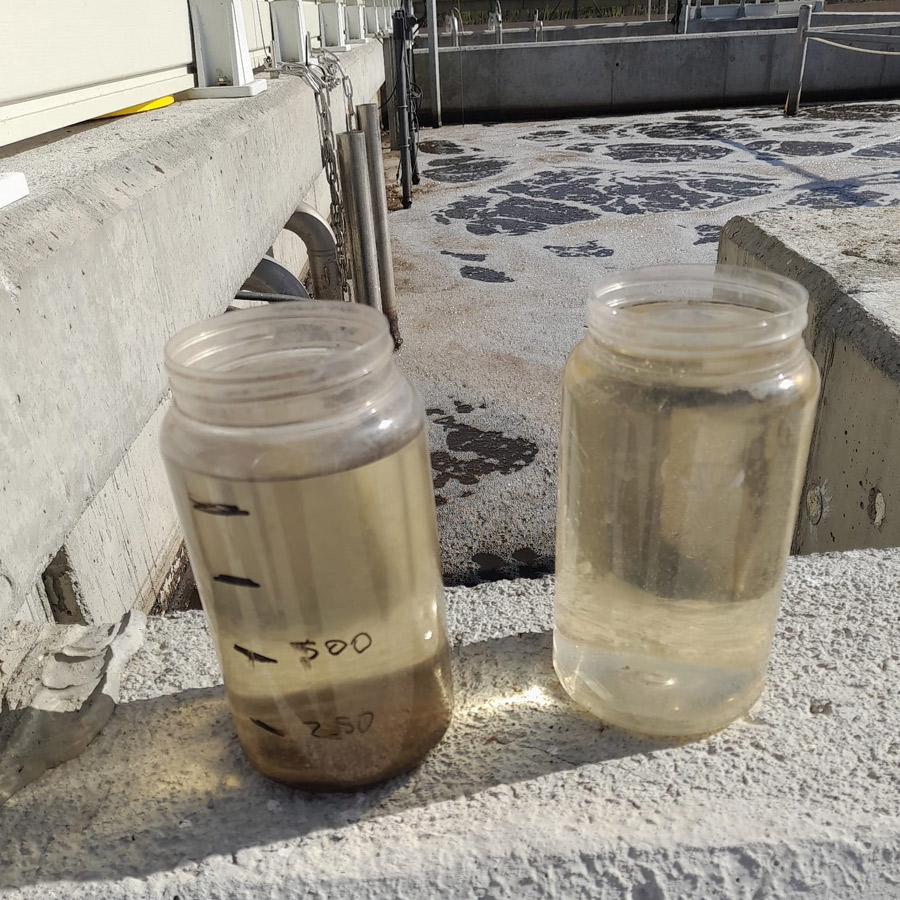
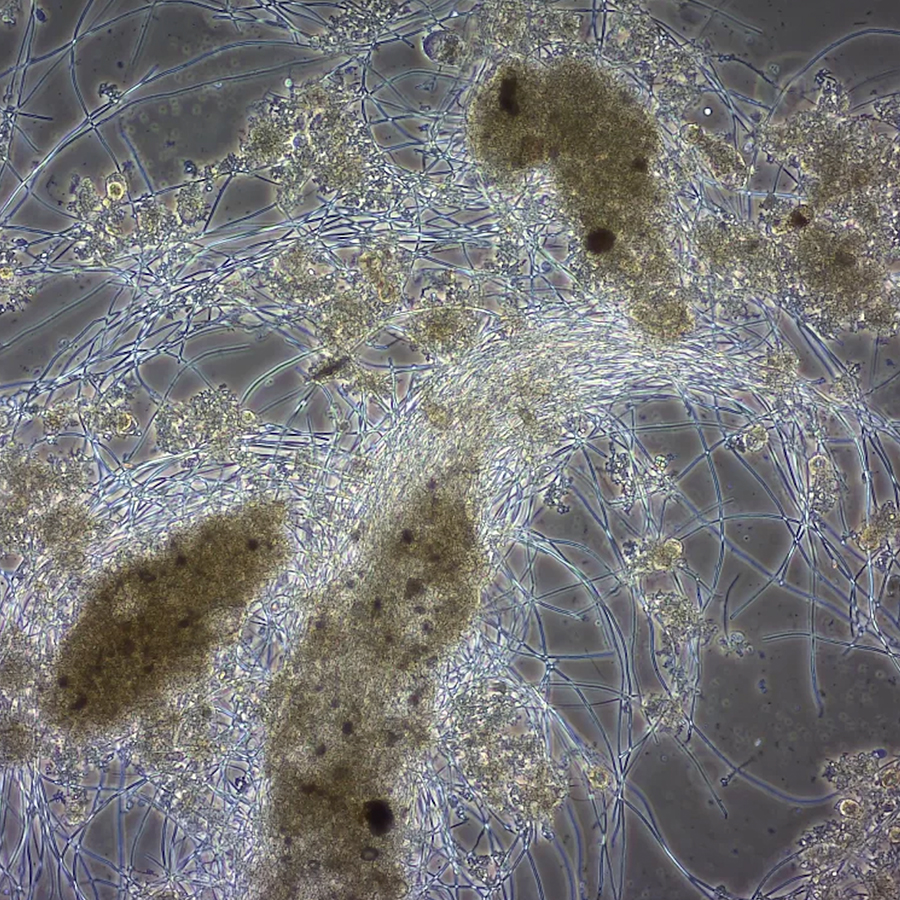
Sensara’ s SICTOX algorithm detects toxicity events before they enter the plant, thus protecting the biomass and ensuring the stability of the biological process.
This advanced system allows an early response to possible toxic spills, ensuring that the bacteria in the biological reactor are not affected.
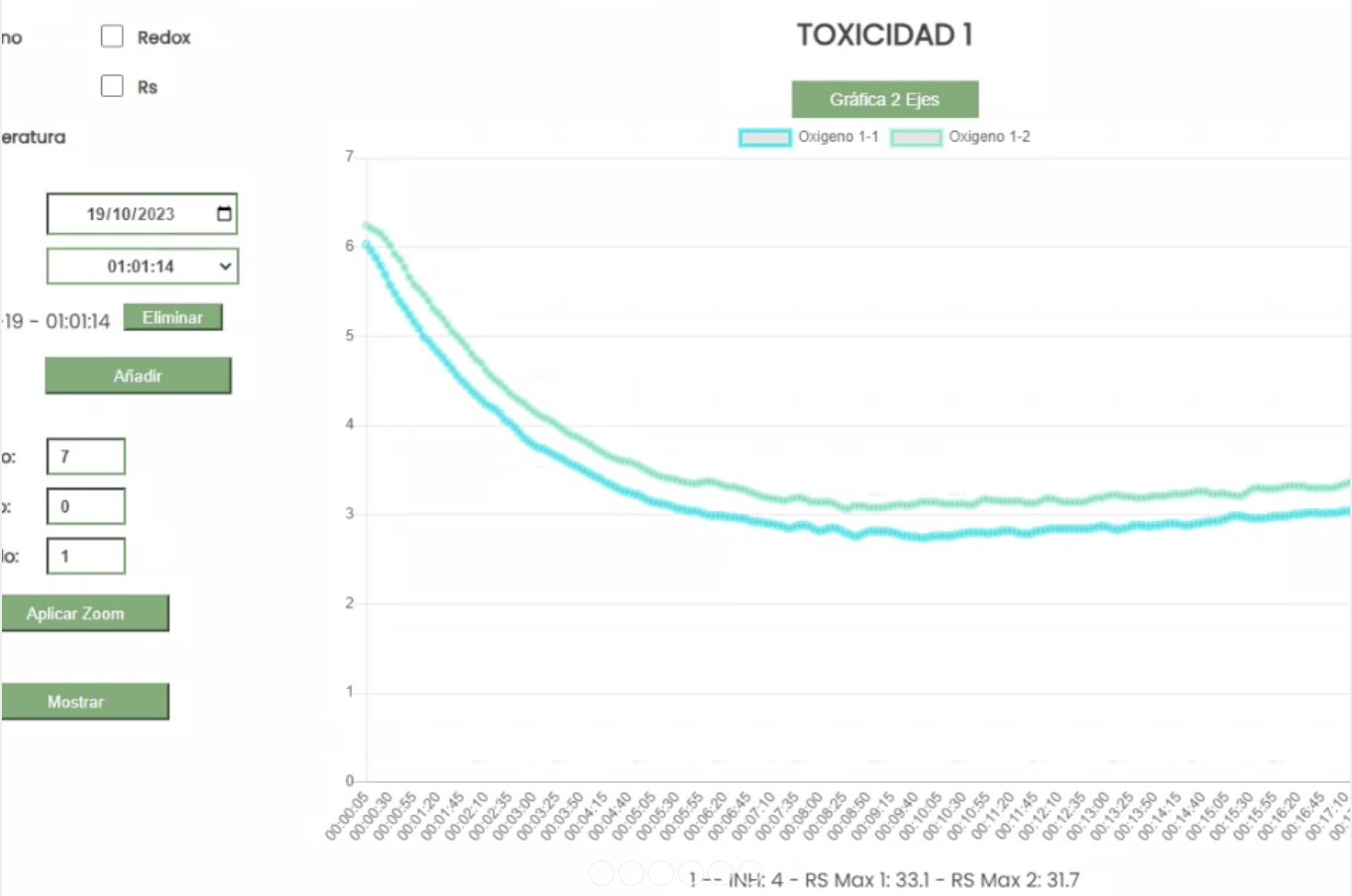
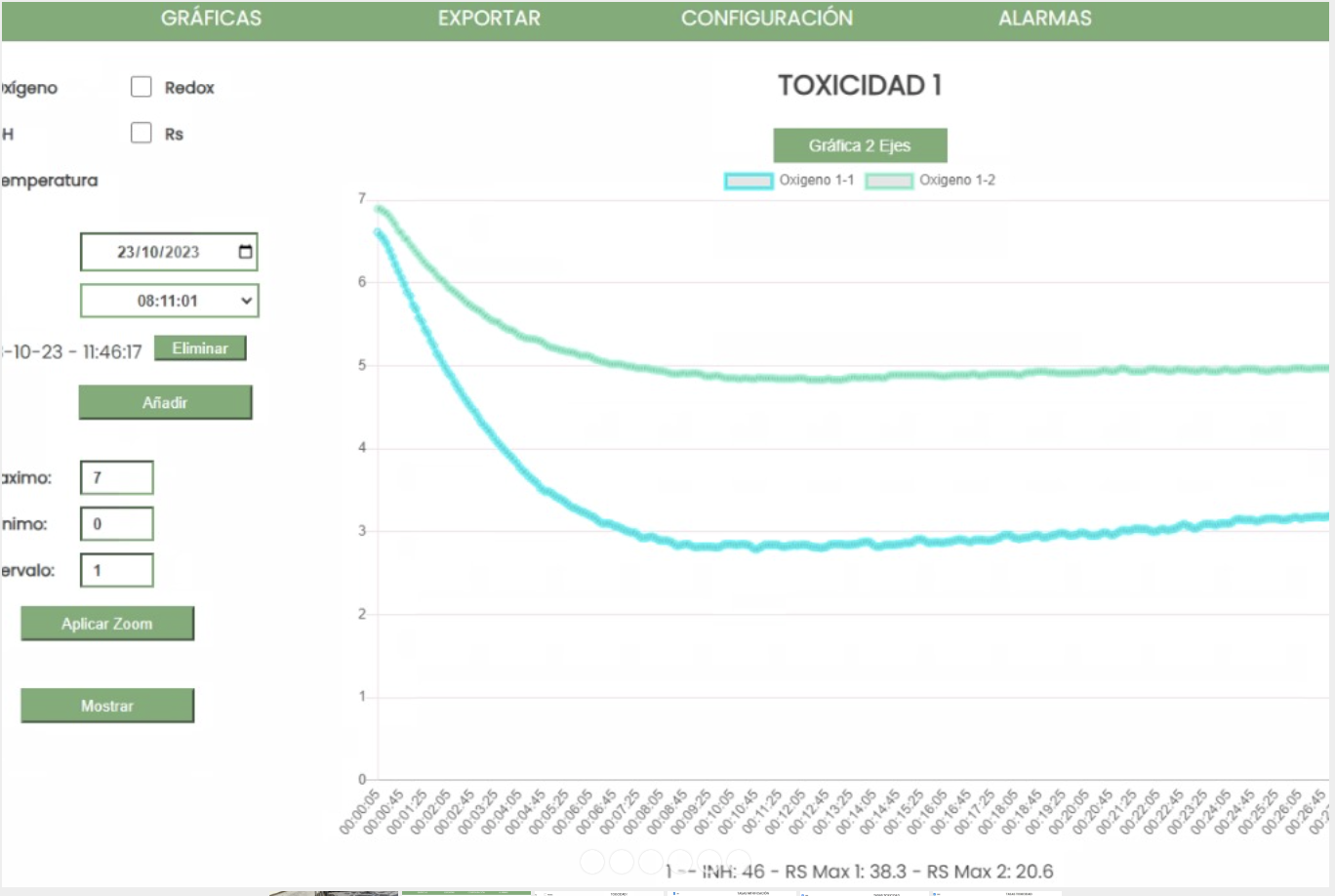
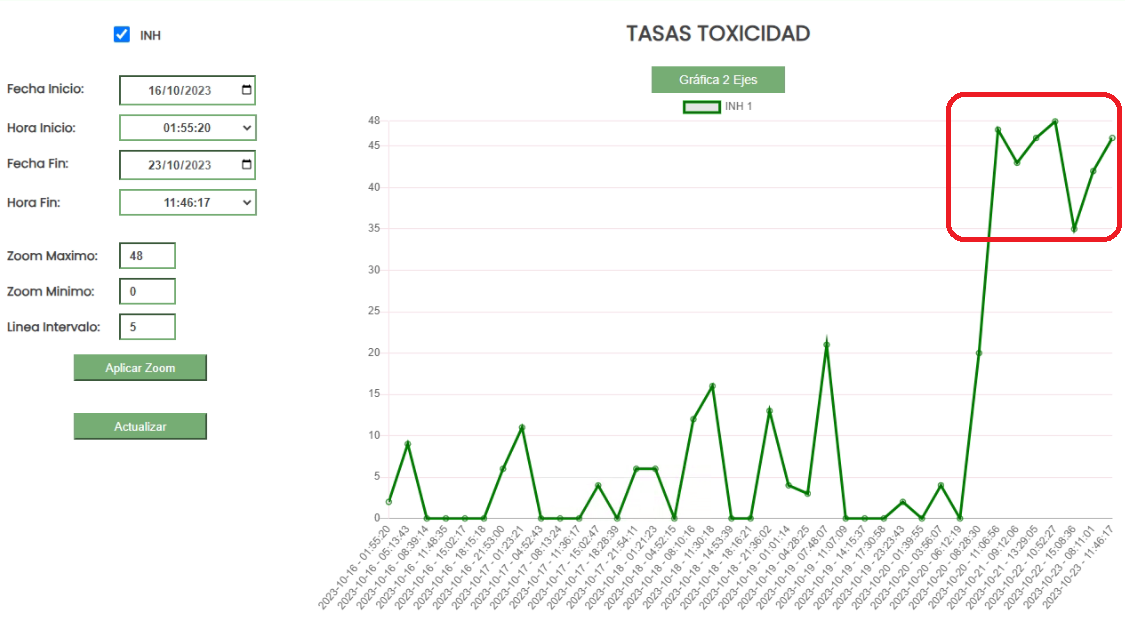
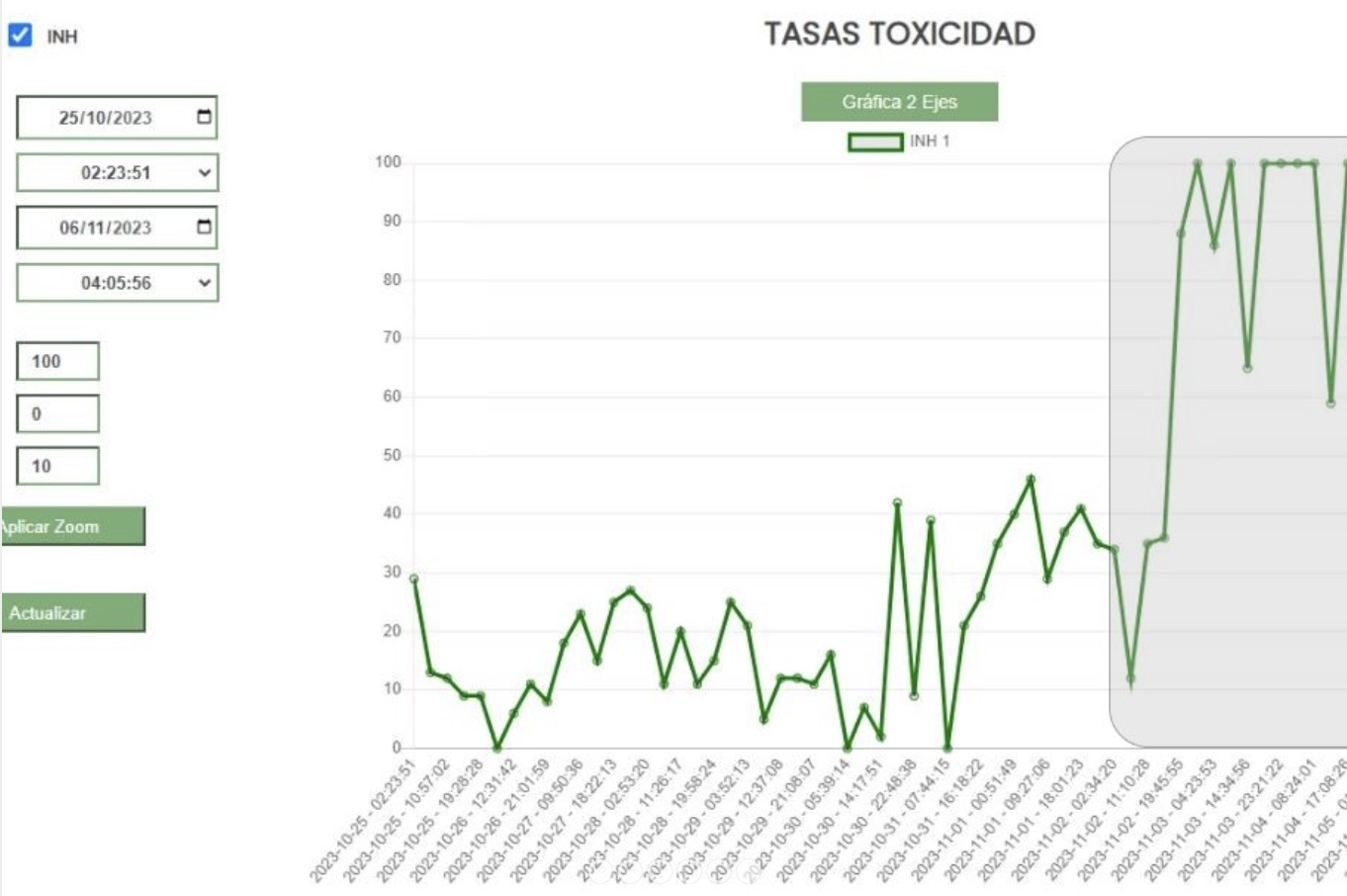
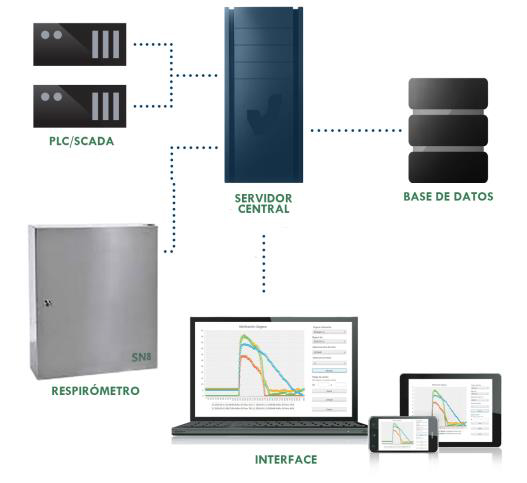
Toxicity Test
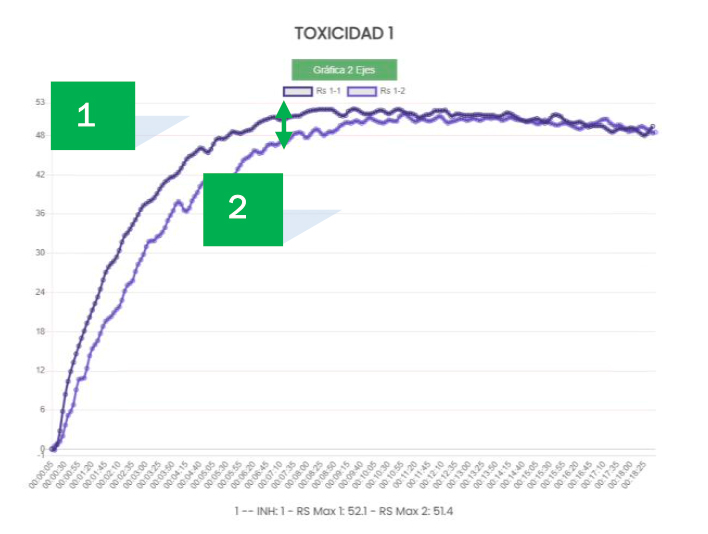
The SICTOX algorithm is based on a toxicity test that allows early identification of toxicity episodes. The detection process is performed in two key steps:
- First Stage:
- Pumping of mixed liquor into the respirometric chamber.
- Aeration until saturation (“endogenous” state).
- Addition of ammonium chloride/sodium acetate and calculation of the nitrification rate Rsmax.
- Second Stage:
- Pumping of mixed liquor and plant inlet sample to the respirometric chamber.
- Aeration until saturation.
- Addition of ammonium chloride/sodium acetate and calculation of the nitrification rate Rsmax.
The algorithm finally calculates the toxicity inhibition rate using the formula:
(Inh(%) = 100 (1 – Rsmax[Fango + Sustrato + Muestra] / Rsmax [Fango + Sustrato])
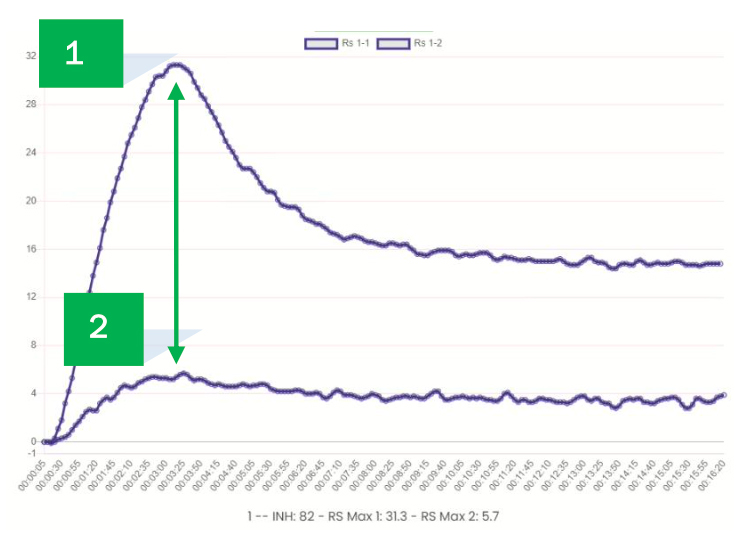
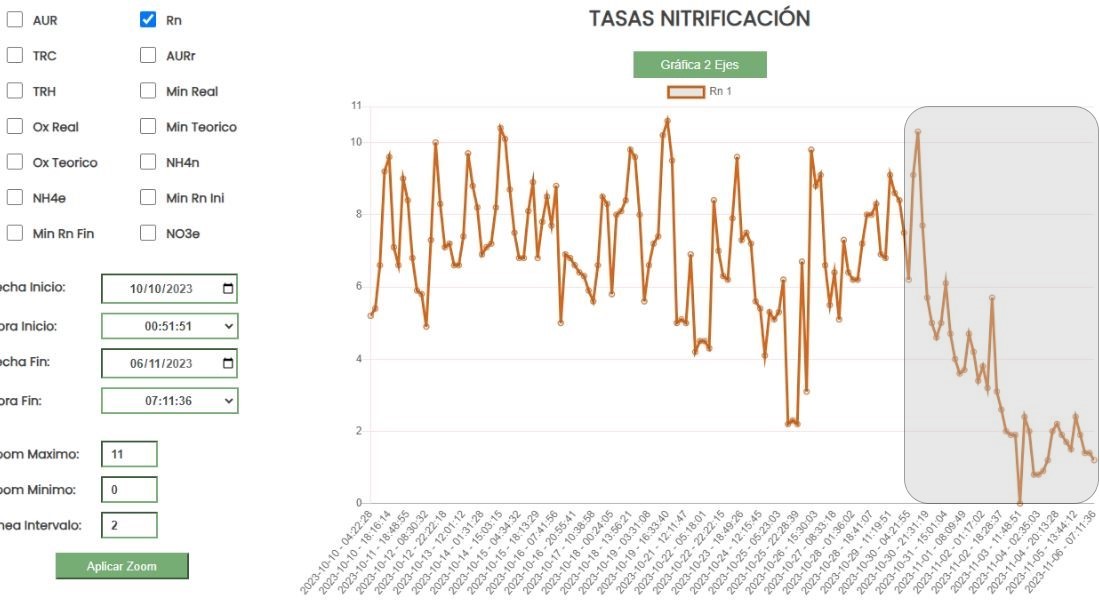
Nitrification Test
The SICTOX algorithm also relies on the nitrification test as an additional confirmation of toxicity input into the system. This test verifies that the nitrification conditions are correct or that they have been altered by the presence of toxics.
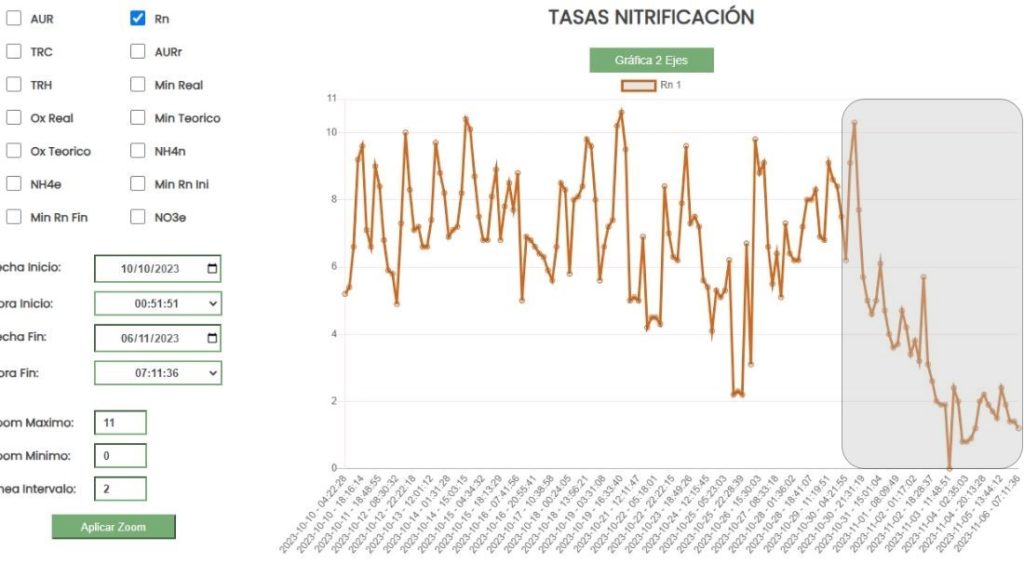
Control Loop
With the results obtained from the Nitrification and Toxicity tests, a mixed control loop is established to guarantee the effective detection of toxicity. This loop allows early actions to be taken, such as a bypass, before toxicity reaches the biological reactor, avoiding damage to the biomass.



SICAIR Benefits for water treatment plants
Summary of SICAIR Benefits and Specifications
Key Benefits:
- Real-Time Accuracy: Continuous adjustment based on bacteria respiration, guaranteeing the exact amount of oxygen at all times.
- Energy Saving: Optimization of the use of blowers, reducing energy consumption by up to 30%.
- Rain and Overload Episode Detection: Automatic adjustments during dilution and overload episodes, maintaining process stability.
- Traditional Probe Backup: In case of system failure, traditional probe control is activated to avoid interruptions.
Technical Specifications:
- Control Technology: Algorithm based on bacterial respiration kinetics (Rn/AUR).
- Energy Optimization: Reduction of energy consumption by 15-30%.
- Compatibility with probes: In case of failures or malfunctions, the system automatically switches to traditional ammonium probe control.
- Integration with SCADA: Bidirectional communication via MODBUS TCP, guaranteeing complete interaction with the plant SCADA.
- Real-Time Monitoring: Records global respirometry data and adjusts aeration during dilution (rain) and overload episodes.
- Compatible Sensors: Oxygen, pH, Redox, temperature.